Architectural Principles for a House in Comporta
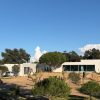
Designing a house in Comporta begins with a deep respect for place. Sabrab, an Architect in Comporta have a view of The landscape of pine forests, cork oaks, sandy soils, Atlantic light, and coastal winds calls for an architecture that is quiet, grounded, and naturally integrated into its surroundings. Rather than dominating the site, a Comporta house should emerge from it, adapting to the terrain, preserving native vegetation, and creating a seamless dialogue between architecture and nature.
At Sabrab Architecture, our approach to Comporta architecture is guided by a series of essential principles: landscape integration, climatic intelligence, spatial simplicity, material authenticity, privacy, and sensory living. These principles shape houses that feel contemporary yet timeless, refined yet deeply connected to the land.
1. Architecture Integrated with the Landscape
A house in Comporta should feel inseparable from its natural setting. The design must respond to the rhythm of the site, the position of the trees, the texture of the sand, and the direction of the prevailing winds. The goal is not to impose a building on the landscape, but to create a home that belongs to it.
This principle often leads to low horizontal volumes, careful orientation, sheltered outdoor areas, and a layout that preserves the site’s ecological character. Existing pine trees and cork oaks are not obstacles to design; they are part of the architecture itself.
2. Courtyard Living and the L-Shaped Plan
One of the most effective architectural strategies for a luxury house in Comporta is the creation of a protected courtyard. An L-shaped house can embrace an internal outdoor space, creating privacy, shade, and a more intimate relationship between indoor and outdoor living.
The courtyard becomes the heart of the home: a microclimate where water, vegetation, filtered sunlight, and sheltered terraces enhance comfort throughout the day. It also helps protect the house from wind while opening selected views toward the forest and the surrounding landscape.
3. Seamless Indoor-Outdoor Continuity
Comporta living is defined by the experience of moving naturally between interior and exterior spaces. Large openings, covered terraces, shaded porches, and carefully framed views allow the house to breathe with the landscape.
Living room, dining area, kitchen, patio, and pool should feel like connected parts of one continuous environment. This architectural continuity creates a calm and generous atmosphere, where daily life unfolds between sunlight, shade, fresh air, and nature.
4. Natural Light, Shade, and Climatic Comfort
In Comporta, light is one of the most important design materials. The golden Atlantic light, the strong summer sun, and the seasonal variations in temperature require an architecture that balances openness with protection.
Long roof overhangs, timber screens, pergolas, recessed openings, and thoughtful solar orientation help control glare and heat gain while preserving visual openness. Good Comporta architecture is never only aesthetic; it is also climatic, creating comfort through passive design principles.
5. Privacy Without Isolation
A luxury villa in Comporta must offer privacy, but not at the expense of openness and serenity. The architecture should create a sense of retreat through layout, orientation, courtyards, vegetation, and transitional spaces rather than relying only on walls or barriers.
Private suites can open onto their own terraces or garden pockets, while social areas remain more open and fluid. This balance between collective and intimate spaces is essential to the quality of life in a contemporary house in Comporta.
6. Material Authenticity and Tactile Simplicity
The material palette of a Comporta house should feel natural, restrained, and tactile. White mineral surfaces, timber elements, stone, lime-based finishes, natural fabrics, and textured floors create an atmosphere that is both sophisticated and relaxed.
The objective is not visual excess, but authenticity. Materials should age well, respond beautifully to sunlight and shadow, and reinforce the quiet character of the architecture. In Comporta, luxury is often expressed through simplicity, proportion, texture, and craftsmanship.
7. Sensory Architecture
Architecture in Comporta is not only visual; it is deeply sensory. The sound of pine needles underfoot, the scent of warm timber and dry earth, the filtered light through the trees, and the shadow of a cork oak over a terrace all shape the experience of the house.
A well-designed home should heighten this sensory connection to place. Arrival sequences, covered thresholds, framed views, water reflections, natural ventilation, and changing light throughout the day all contribute to a more emotional and memorable architecture.
8. A Contemporary House Rooted in Comporta Identity
The best contemporary architecture in Comporta is modern without losing its regional soul. It avoids imitation, but it understands local scale, climate, materials, and the cultural memory of rural and coastal buildings.
A successful house in Comporta is elegant but discreet, minimalist but warm, and contemporary but deeply rooted in its context. It is a home designed not only to be seen, but to be lived slowly — between pine forests, sandy ground, Atlantic breezes, and the changing light of the day.
Sabrab Architecture in Comporta
At Sabrab Architecture, we design houses in Comporta that combine contemporary architecture, environmental sensitivity, and refined spatial clarity. Each project is developed as a unique response to its site, creating homes that are calm, timeless, and closely connected to the landscape.
Our work in Comporta is defined by careful implantation, natural materiality, protected outdoor living, and a strong relationship between architecture and nature. The result is a house that feels both exclusive and effortless: a private retreat shaped by light, silence, and place.